Blog · Process guide
How we build a literature review report from one research question
This archive post walks through the frozen PICO report pipeline — using real outputs we generated for two research questions: stowage planning on container ships, and women’s participation in seafaring roles.
The two example reports
Everything below is cropped or captured from actual reports. The primary walkthrough uses “What are the constraints of stowage planning in container ships?” (≈357 domain hits → 40 synthesised abstracts). We also show the women-in-seafaring report as a second domain.
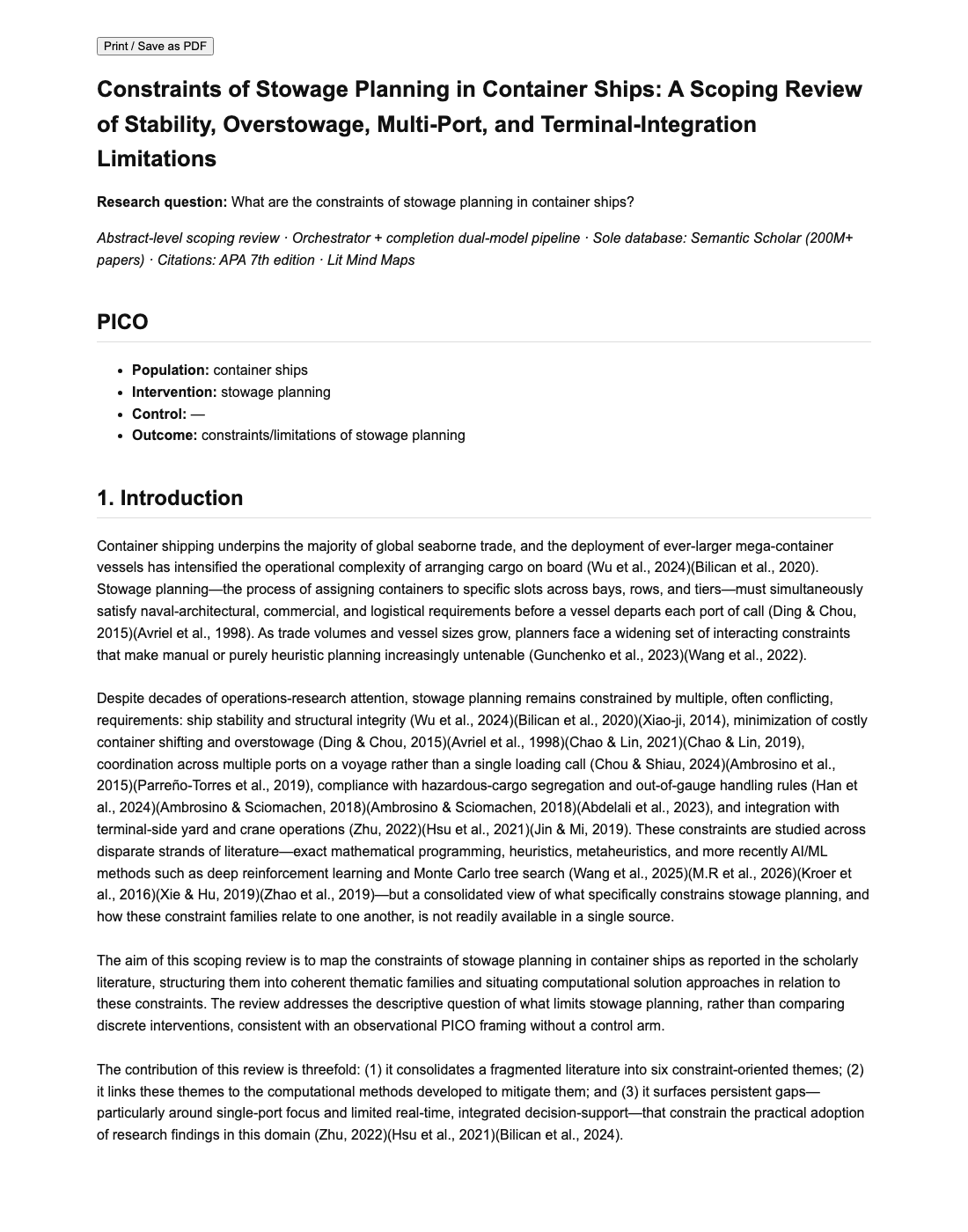
Figure A. Stowage planning report — title, research question, and opening structure.
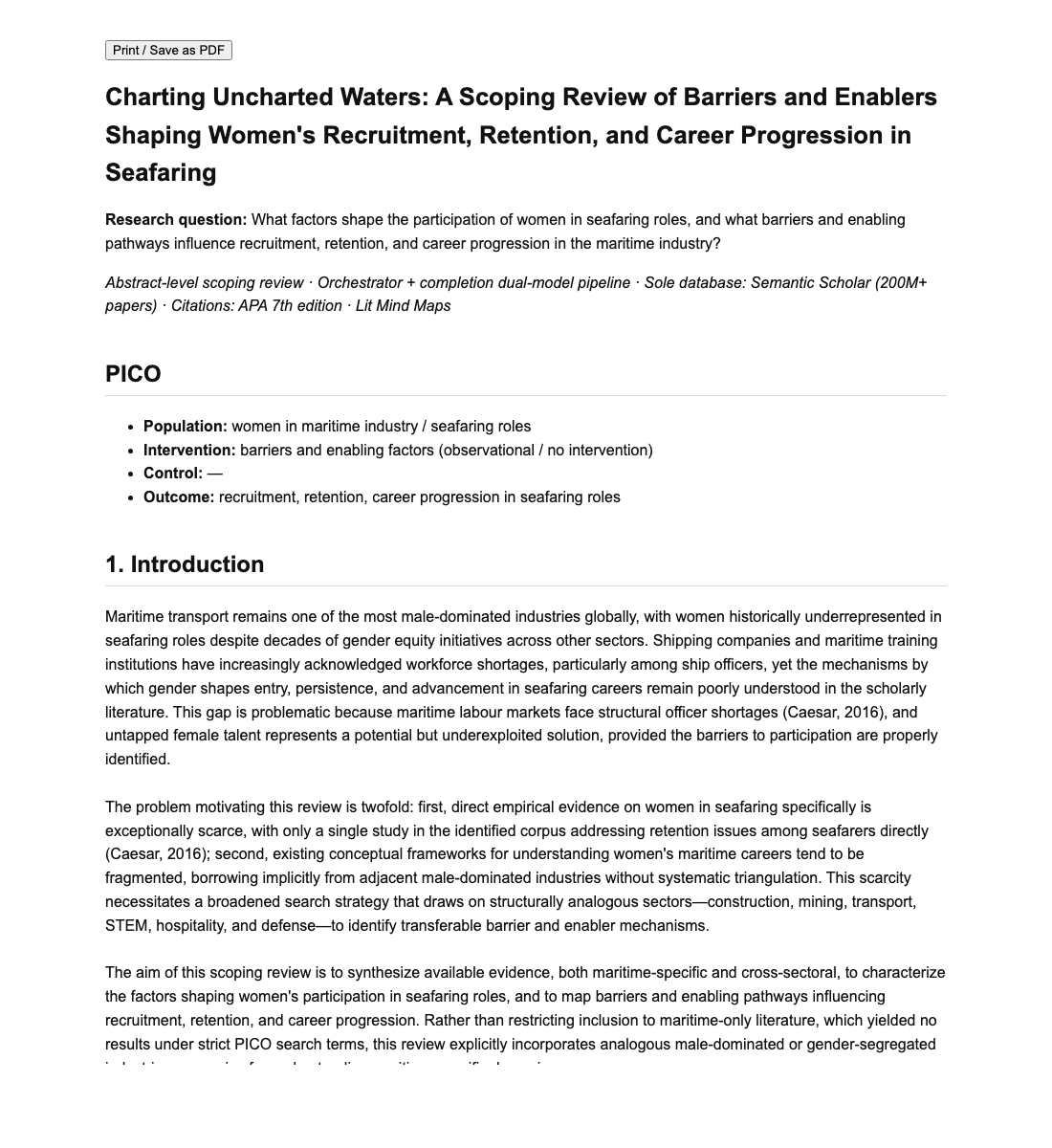
Figure B. Women in seafaring report — same pipeline, different domain.
Step-by-step pipeline
1. Title, question, and PICO
Once PICO is ready, the report opens with a working title, the original research question, and the four PICO fields. That anchors Methods later — reviewers can see who/what was studied, the exposure or pathway, and the outcome.
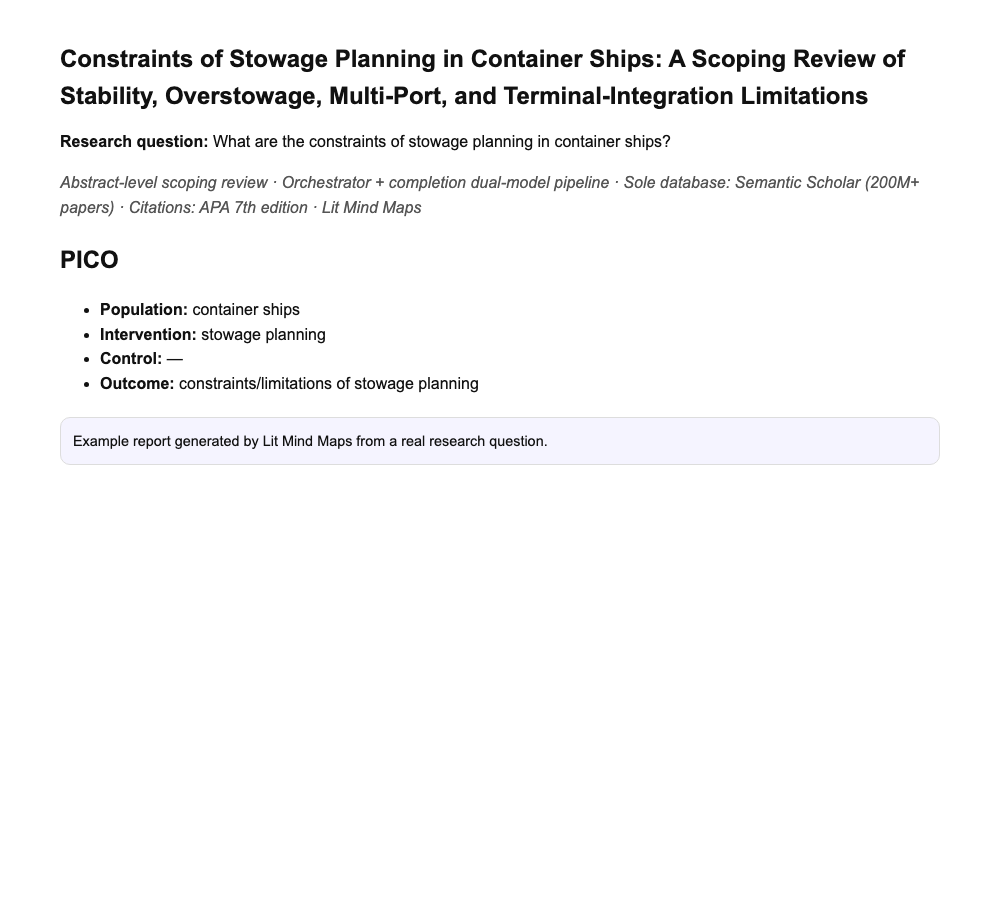
Figure 1. Example header from the stowage report: population = container ships; intervention = stowage planning; outcome = constraints/limitations of stowage planning.
2. Methodology with a real selection funnel
Methods is where Lit Mind Maps differs from a chatbot. We log a dual-model note (orchestrator plans; worker executes), state Semantic Scholar as the sole database, and print a PRISMA-style funnel of hit counts at each PICO stage. Exclusions are database totals — not “we found 13 and kept them all.”
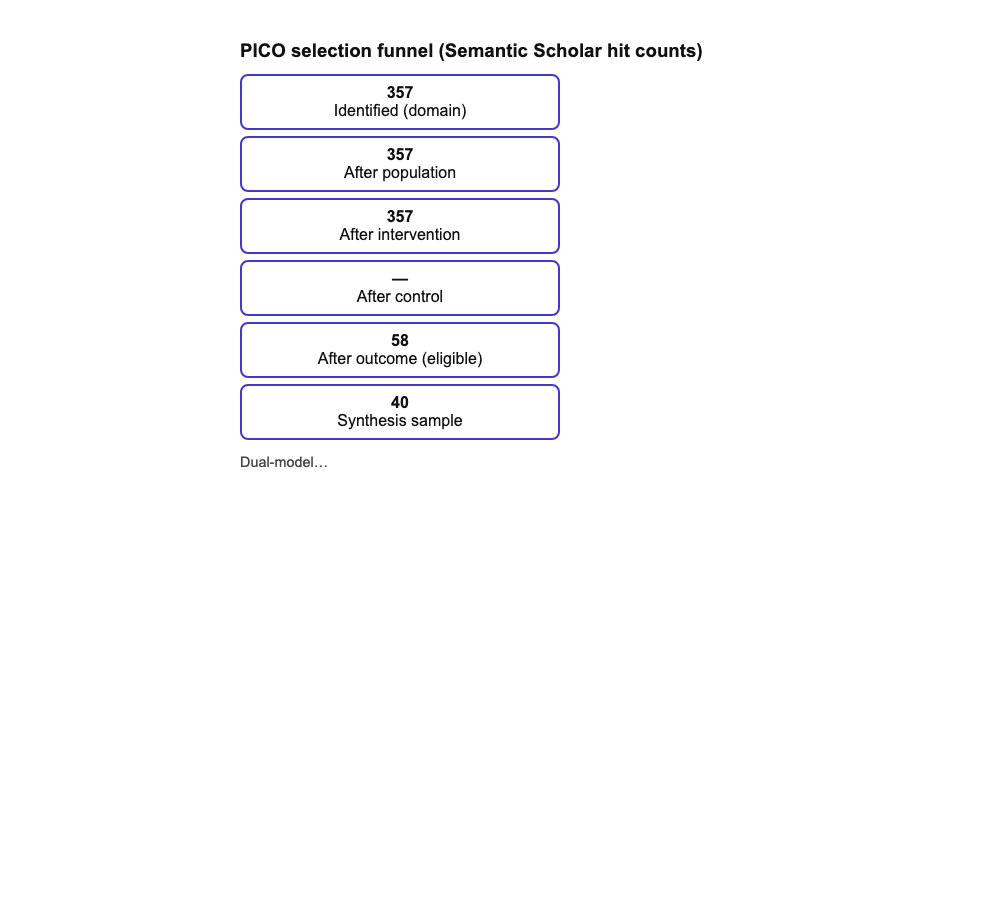
Figure 2. Funnel excerpt from the stowage report: large domain identification, then outcome filtering, then a capped synthesis sample for deep abstract reading.
In the stowage example, the broad domain query returned on the order of hundreds of records (well above the ≥200 identification target). Successive filters narrowed the eligible set; a relevance-ranked sample (capped for synthesis) was then read in depth. Funnel numbers stay honest even when the deep-read sample is smaller.
3. Results and the literature mind map
Results combine quantitative funnel context with thematic structure. The mind map is generated from the included abstracts so students can see clusters — e.g. stability/structural limits, overstowage, multi-port routing, special cargo, terminal integration, and computational methods — rather than a flat paper list.
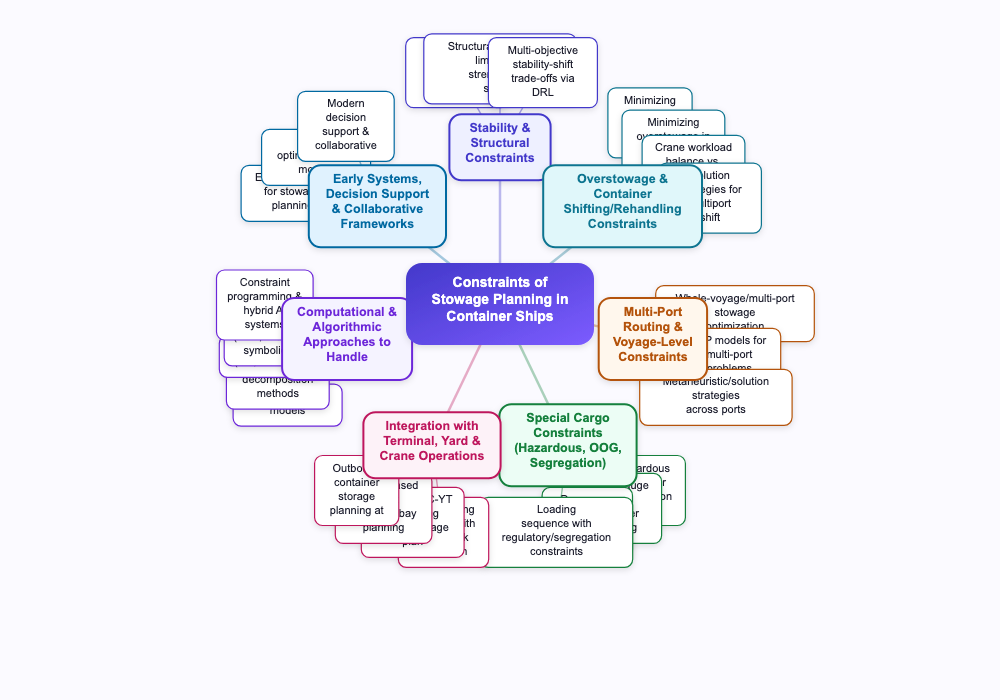
Figure 3. Literature mind map from the stowage planning report (Figure 1 in the PDF package).
4. Discussion and conceptual diagram
Discussion interprets themes and limitations (single database, abstract-level screening, sample caps). The conceptual diagram links PICO nodes to constraint themes and gap signals — useful in a supervision meeting when you need a one-page picture of the argument.
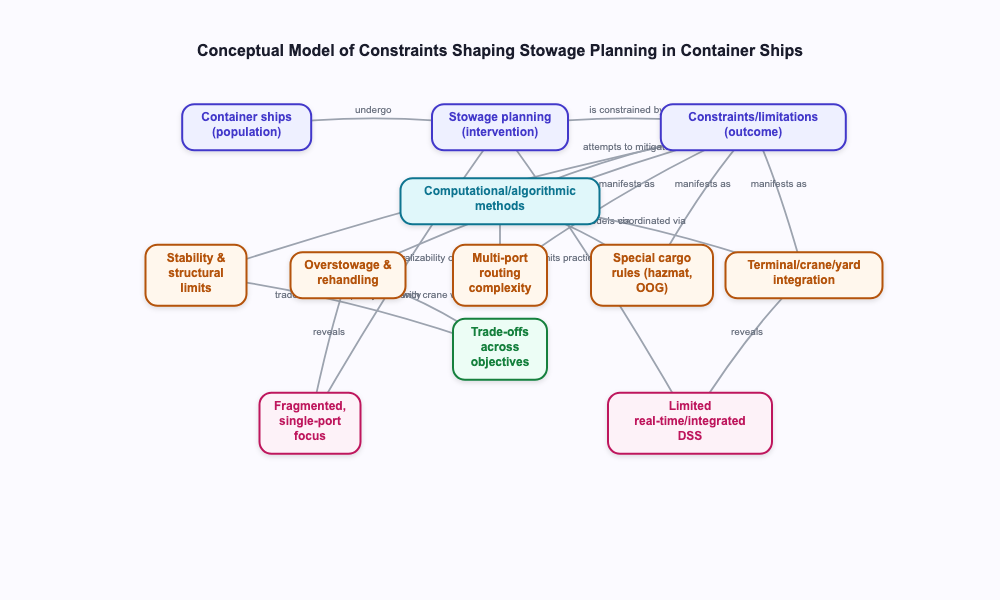
Figure 4. Conceptual model from the same report (Figure 2 in the PDF package).
5. Conclusion, references, and download
Conclusion restates aim, main insight, and a concrete next step (often full-text screening or a focused primary study). References are APA 7, sorted alphabetically, drawn from the synthesis sample. Export is one click to Word (.docx) or print-ready PDF.
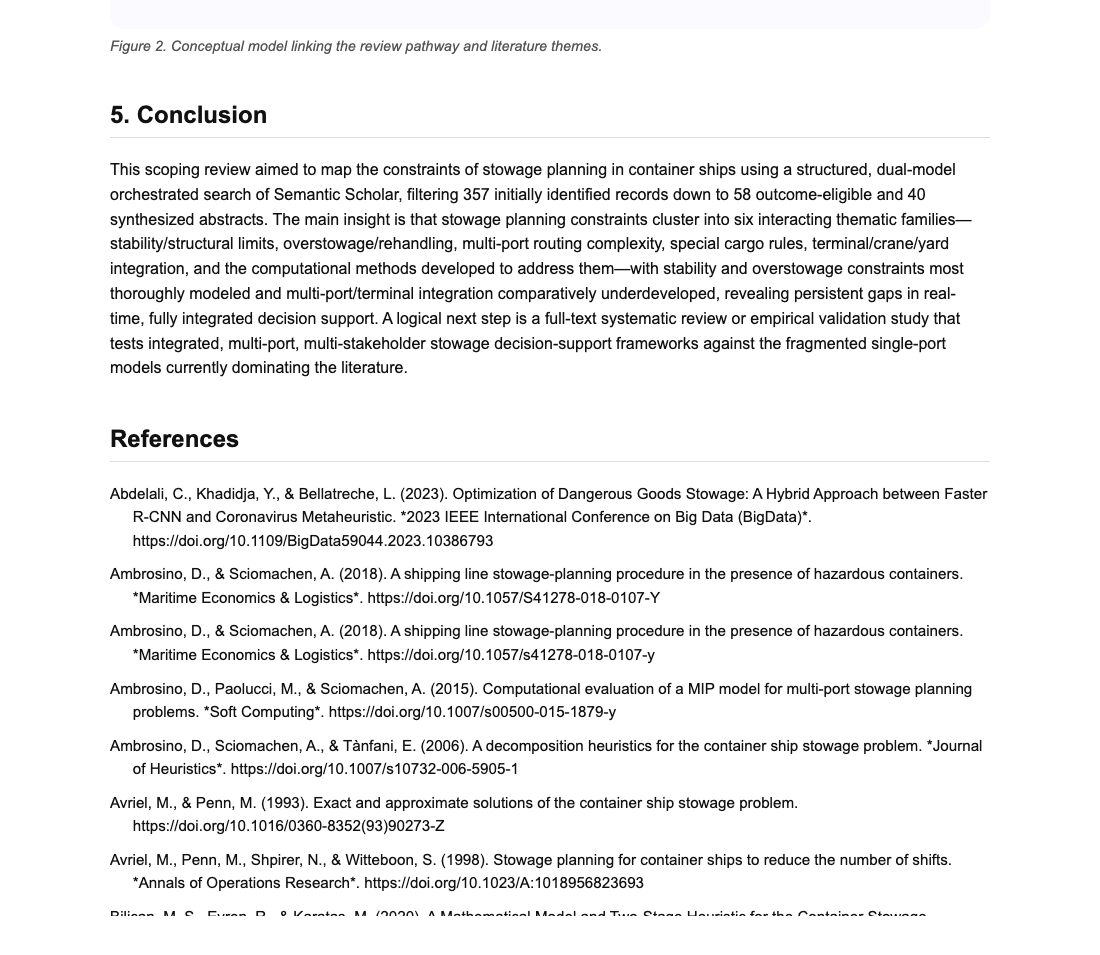
Figure 5. Conclusion and reference list region of the stowage report export.
Why this process matters for Masters & PhD work
- Traceable Methods — funnel counts and queries can be discussed with a supervisor.
- Grounded citations — papers come from Semantic Scholar hits in the synthesis set.
- Structure for reading — mind map and conceptual model prioritise full-text follow-up.
- Not a black box chat — plan → search → diagrams → prose is multi-step by design.
The package is an abstract-level scoping starting point, not a full-text PRISMA 2020 systematic review. Use it to orient the field, then verify claims in the primary literature.
Use the live literature chat
Ask a question. See the literature.
Sign in to search. Two chats are free, then A$15 per month. You get a grounded answer, a mind map, an idea timeline, and a Word starting draft.
Search the literatureRelated: Literature chat · Compared to scite, Elicit & others